
Ep 218 – How AI Makes Learning “Scaled to One” | Brandon Carson, Docebo
Listen to this episode
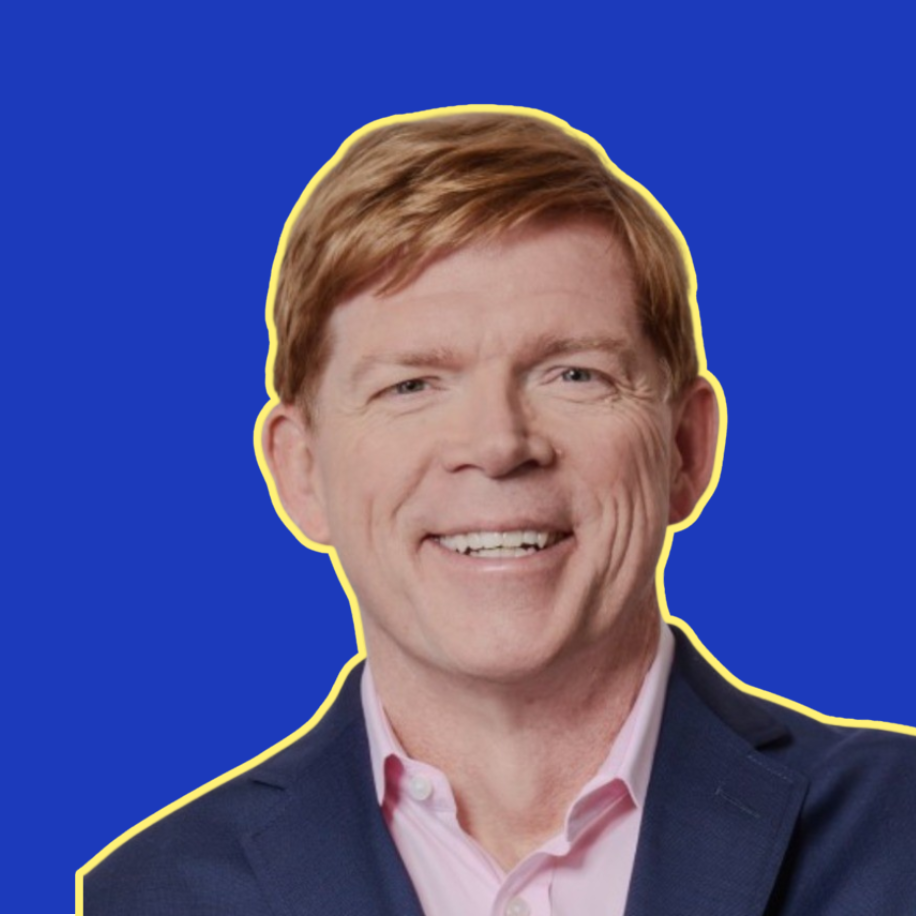
Listen to this week's episode with Brandon Carson, Chief Learning Officer at Docebo.
We talked about the one thing holding companies back from adopting AI faster, why AI makes learning “scaled to one”, and why the future of work isn’t about replacing humans - it’s about amplifying them.
If you don't have time to check it out, read the highlights below.
The speed of AI adoption will depend on this 1 thing
The speed of tech adoption is getting ridiculous...
Telephone: 80 years to reach mass adoption
ChatGPT: 2 months to hit 100M users
But here's what Brandon thinks most people miss about AI adoption in companies:
The real bottleneck isn't the AI - it's the infrastructure.
Think about cloud adoption. It took nearly 20 years for most companies to move their infrastructure to the cloud. And that transition was WAY simpler than what AI requires.
The next 5-10 years won't be about solving cancer or climate change with AI (yet).
It'll be about:
- Getting your data house in order
- Automating basic tasks
- Optimizing core processes
- Building the right infrastructure
The companies that win won't be the ones who chase every new AI tool.
They'll be the ones who build the foundation first.
HR isn’t just at the table—they are the table
Brandon says that most L&D teams are stuck in a 1950s manufacturing mindset. They’re reactive, disconnected from real business needs, and frankly… ineffective.
Here’s what he means:
- L&D creates “training programs” nobody asked for
- HR operates in reactive mode, patching broken processes
- Learning initiatives rarely connect to actual business outcomes
- Most L&D folks don’t understand the work they’re training people for
Brandon quoted his friend Mark Ramos who said it best: “We don’t need a seat at the table. We ARE the table.”
The future belongs to learning companies. Look at Delta Airlines and their transformation. But here’s the kicker - you can’t just bolt on learning initiatives to broken work systems.
What actually works:
- Embed learning directly into the flow of work
- Focus on job outcomes, not just skill development
- Re-engineer work processes before adding training
- Connect learning directly to business metrics
Stop creating training programs. Start creating learning ecosystems.
The future of learning is "scaled to one"
Forget “scaling up” - AI lets us “scale to one”.
Brandon had an interesting example that made him think differently about AI in the workplace…
Remember those fancy Freestyle machines where you can mix your perfect drink? Cool tech, but what happens when they break down?
The old way: Call a repair person, wait hours/days, frustrated customers
The new way: The machine self-diagnoses, downloads what it needs, and fixes itself in minutes
This is what he means by “scaling to one” - AI isn’t just about doing things bigger and faster. It’s about providing intelligent support exactly when and where it’s needed.
Think about it:
- A sales rep gets real-time coaching during a tough call
- An engineer receives contextual troubleshooting right when they hit a roadblock
- A manager gets personalized leadership guidance for their specific team situation
The future isn’t about massive training programs or broad policy rollouts.
It’s about augmented performance support that meets each person exactly where they are, precisely when they need it.
HR & People teams: Stop just “updating skills” and start reimagining how humans and workplace intelligence work together.
Replacing vs. amplifying humans
The future of work isn't about replacing humans - it's about amplifying them.
Here’s what he believes most leaders get wrong: They see AI/automation as a way to cut costs & headcount.
But the real opportunity? Using tech to eliminate soul-crushing tasks so humans can do what they do best:
- Envision new products/services
- Solve complex problems creatively
- Make nuanced decisions
- Build meaningful relationships
- Drive innovation through empathy
Quick example: One of their clients automated 40% of their HR teams manual tasks (payroll, benefits admin, etc). Instead of layoffs, they upskilled their team to focus on:
- Strategic workforce planning
- Building learning programs
- Improving employee experience
- Developing future leaders
Result? Employee satisfaction up 22%, retention improved 15%
The companies that will win aren’t just tech companies. They’re organizations that:
- Proactively identify future skill needs
- Invest heavily in upskilling programs
- Use tech to augment (not replace) human capability
- Create space for creativity & innovation
Stop asking “what jobs will AI replace?” Start asking “how can we unleash our peoples full potential?”
Your AI coach will know you better than your manager
The future of corporate learning isn’t another fancy LMS.
It’s your personal AI agent that:
- Knows your strengths/weaknesses
- Understands your career goals
- Tracks your progress
- Adapts to your learning style
- Available 24/7
Quick story:
Recently Brandon was struggling with a data analysis project. His AI assistant broke down the complex SQL queries into simple steps, explained it in his language (non-technical), and helped him derive actionable insights.
10 years ago? He would’ve spent hours in frustration or needed a data analyst.
The real power isn’t replacing humans - it’s augmenting our capabilities in areas where we’re not naturally strong.
Think about it:
- Struggling with public speaking? Practice with an AI coach
- Need help with financial modeling? Your AI knows exactly where you get stuck
- Want feedback on your management style? Get real-time suggestions
The best part? These systems get better the more they work with you. They learn your patterns, adjust to your progress, and scale infinitely.
This isn’t sci-fi. We’re already building this future.
Go listen to the full episode: Spotify | Apple
See you next week!
P.S. Don't forget to grab your ticket for Transform on March 17th! 🎟️ Use our special link to get an exclusive discount. Don’t miss out—secure your spot now!
Get weekly insights & playbooks from top Chief People Officers