
Ep 223 – Adopting a Product Mindset in HR | Shane Koller, Ancestry
Listen to this episode
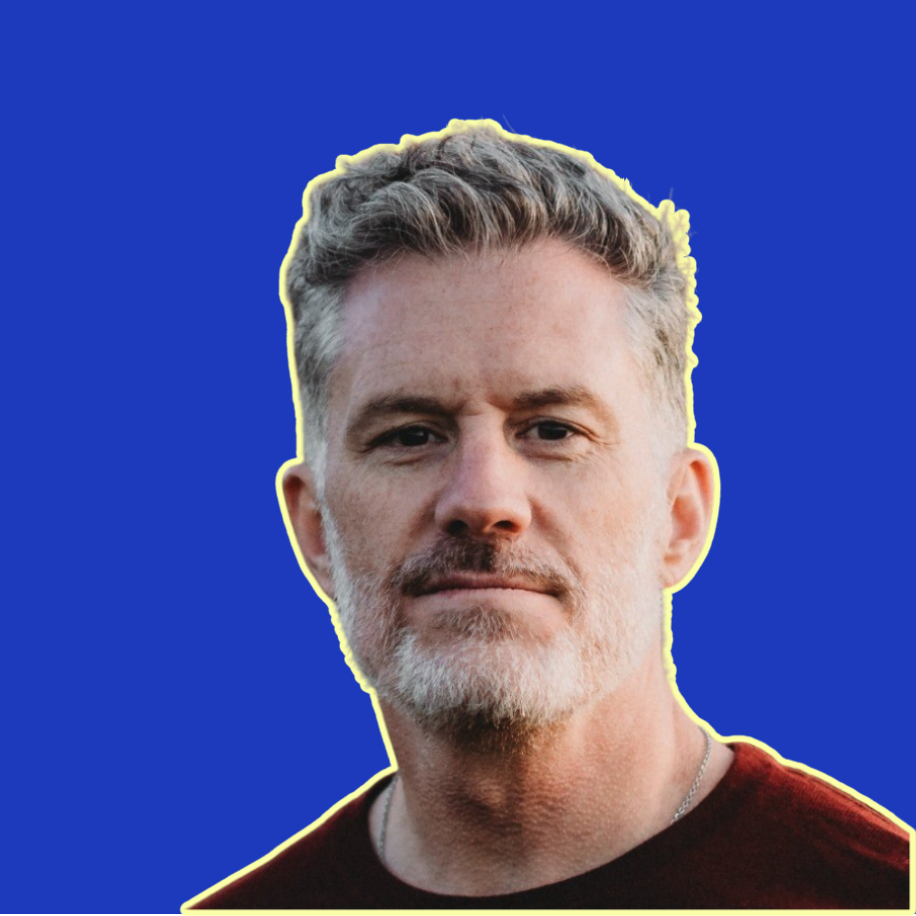
Watch this week's episode with Shane Koller, Chief People Officer at Ancestry.
We talked about adopting a product mindset in HR, how Ancestry’s people team built their “product roadmap”, and why even great HR programs fall short when they’re not connected.
If you don't have time to check it out, read the highlights below.
Great HR programs aren’t enough when they don’t work together
Shane gave the example of the year-end performance process.
They built excellent programs: performance management, promotions, calibrations.
But they were all disconnected.
The real kicker? They branded their year-end performance process as “YEP” thinking people would love it.
Spoiler: Nobody cared about the name.
What people actually wanted:
- Clear connection between performance convos & compensation
- Understanding of where they stand NOW
- Vision of where they’re going NEXT
- Roadmap to close skill gaps
This was the moment that he realized the team needed a better way to build programs for their people.
That’s when he started going deep with his learning on how to “run your people team like a product team”.
The question every HR leader should be asking
Every HR initiative should ladder up to customer & shareholder value. Sounds obvious, but most HR teams miss this.
Shane shared how at Ancestry, they transformed their People & Places team by:
- Starting strategic planning w/ company priorities
- Identifying talent implications for each priority
- Mapping team initiatives directly to these priorities
Result? Team buy-in skyrocketed. For the first time, HR folks could clearly see how their work connected to company goals.
Key mindset shift: Stop building HR programs just because they’re “best practice.” Start asking “what unique value can we deliver to help employees better serve customers?”
When HR thinks like shareholders, magic happens.
How Ancestry’s people team built their "product roadmap"
Shane shared how his people team built their “product roadmap”:
- Mapped the full employee journey (like customer journey mapping)
- Identified key milestone moments
- Gathered data at each milestone
- Found the gaps that actually mattered
- Built a focused roadmap around those gaps
The key insight? You don’t need to solve everything.
Ancestry realized development was their critical moment - makes sense for a smaller company where you can’t just hire constantly.
He says to stop trying to boil the ocean with your people programs. Use data to find your moments that matter, then go deep on those.
The 3 metrics Ancestry’s people team is tracking like a product org
Here are metrics Ancestry’s people team is tracking like a product org:
1 - They measure NPS at multiple touchpoints:
- Candidate experience
- Onboarding
- Development
- Regular engagement pulses
2 - They focus on leading indicators of retention:
- Time in position
- Time since last promotion
- Development opportunities for key talent
3 - They are also in the midst of looking at some new engagement metrics that are more outcomes focused.
All of this helps them identify “hotspots” before losing great people.
Why you need to start with a (MVP) minimum viable product when building people programs
One of the most valuable lessons Shane learned about building people programs came from a CEO he was working with that had a product background.
After reviewing their year-end performance process, she gave brutally honest feedback: “This is terrible.”
She was actually using the product herself (not delegating like many execs do). As a product leader, she dove deep into every feature.
Key realizations for Shane:
1) They were iterating based on what they thought was right, not what their customers (employees) needed
2) Having a product mindset completely changed their approach:
- Got direct user feedback
- Created a realistic roadmap
- Embraced MVP thinking vs waiting for perfection
- Communicated upcoming changes transparently
Most important: They stopped trying to build the “perfect” process that would please everyone. Instead, they focused on shipping improvements quickly and iterating based on real feedback.
Advice for someone starting in HR today
"Learn the business. Learn the customers."
One thing they'd steal from another company
“I think about companies like Google that have really robust employee experience platforms. It’s that extra ability to bring everything together in a cohesive, compelling way. I’d love to borrow their strategy for building an EX platform like that.”
Go listen to the full episode: YouTube | Spotify | Apple
See you next week!
P.S. If you like MPL, help us grow the show by giving us a 5 star rating on Apple or Spotify.
Get weekly insights & playbooks from top Chief People Officers