
Ep 268 – Rethinking Performance for How People Actually Work | Kit Krugman, Foursquare
Listen to this episode
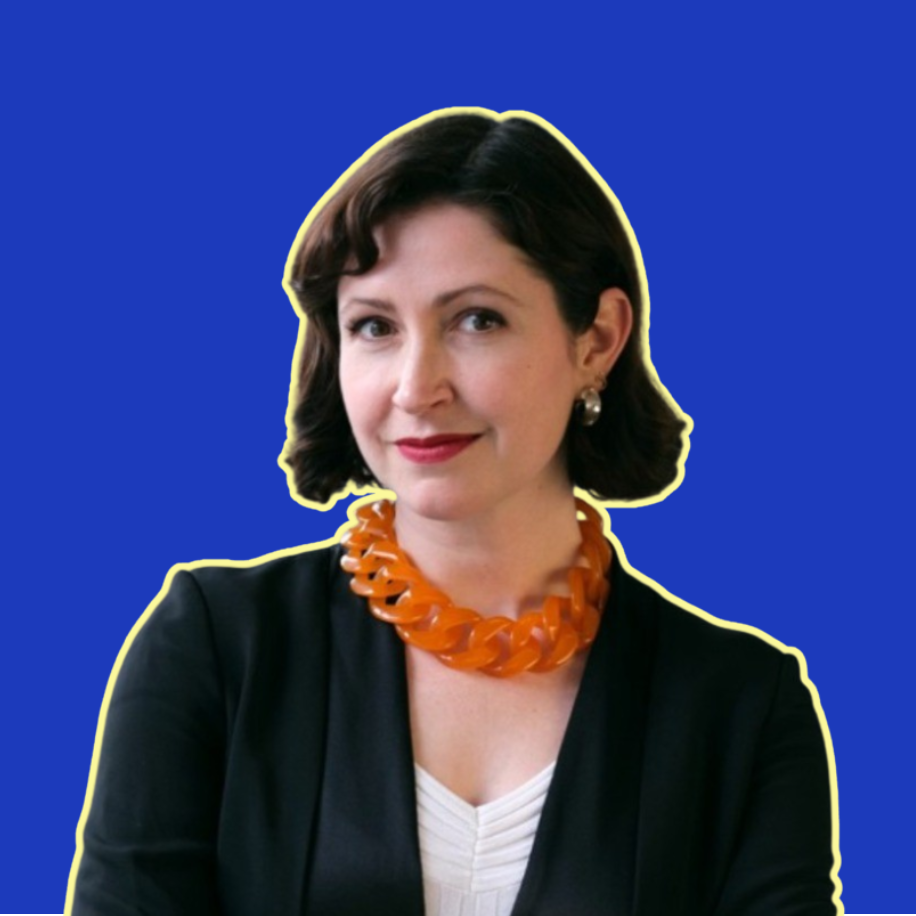
Go listen to the latest episode of The Modern People Leader — where we sat down with Kit Krugman, SVP, People and Culture at Foursquare, to talk about how companies can build performance systems that actually reflect how people work today.
If you’re rethinking performance, but don’t want to grind your org to a halt with 360s and forms, this one’s for you.
Here’s what stood out most from the conversation. ⬇️
“Rethink performance, not just what you measure, but how you measure it.” — Kit Krugman
1. Performance systems fail when they treat employees as individuals, not as part of a team
Kit made a strong case: a high-performing team beats a team of high performers.
Traditional performance tools don’t capture the relational side of work. They assess individual outputs, not how someone impacts or supports their team. But most work happens in networks. Influence, collaboration, and trust drive outcomes just as much as technical skill.
“We needed a system that could measure team-based performance. 360s were too time-intensive. Annual reviews had too much lag. We needed real-time signals at scale.”
Her solution: organizational network analysis (ONA). More on that below.
2. Rebranding from HR to People isn’t cosmetic — it’s strategic
One of Kit’s first moves at Foursquare was to rebrand the HR team to People. But this wasn’t just a title swap — it was a signal of intent.
“Naming something gives you the opportunity to redefine it,”
From there, they treated the People function like a product. They defined their value prop, aligned with business strategy, and held an offsite to co-create a North Star.
What they landed on: fuel vibrancy and velocity.
- Vibrancy = engagement, energy, cross-team connection
- Velocity = speed, momentum, urgency in execution
Everything they did flowed from those goals..
3. Don’t set a static people strategy. Build a thesis and test it.
Rather than building a fixed annual plan, Kit’s team treated each initiative as a hypothesis. They bucketed work into two categories:
- Big rocks: clear priorities tied to business needs
- Prototypes: experiments with defined success metrics
Then they tracked outcomes over time.
“You can set a North Star, but things move fast. We built a dynamic plan with room to pivot.”
4. Rethink performance with ONA and team-based design
Foursquare moved away from 1:1 performance reviews and adopted Confirm, a platform that uses ONA to gather team-based signals.
It asks three key questions:
- Who influences your work?
- Who are the gold-star performers?
- Who needs support?
The result: rich, cross-functional insights delivered in a week, with 100% participation.
“We needed a way to move fast and still get meaningful data. ONA gave us both.”
They also revamped their career matrix, tied behaviors to leadership principles, and shifted recognition from individuals to cross-functional teams.
5. Use engagement data to validate your people bets
To measure progress on vibrancy and velocity, Kit redesigned the engagement survey. They included specific questions like:
“Foursquare operates with velocity (speed, momentum, urgency)."
“Team results are prioritized over individual heroics.”
One standout stat: a 43% increase in employees who said the org operated with velocity.
But not every signal was positive. Coaching and feedback scores dropped after flattening management layers — a tradeoff Kit’s team is now designing around.
“When you see a dip, it doesn’t mean reverse course. It means design differently.”
6. Want more impact? Focus relentlessly.
Kit’s advice for overwhelmed people leaders heading into 2026 planning:
Pick one thing. Do it well. Let the work cascade from there.
“Focus. Decide the one thing that’s going to move the needle. The rest will follow.”
Get weekly insights & playbooks from top Chief People Officers